Description
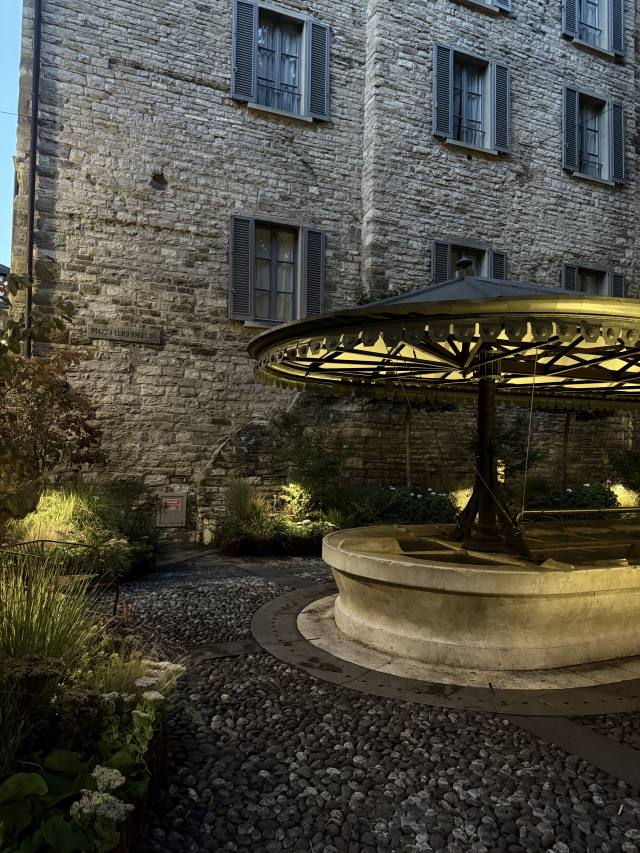
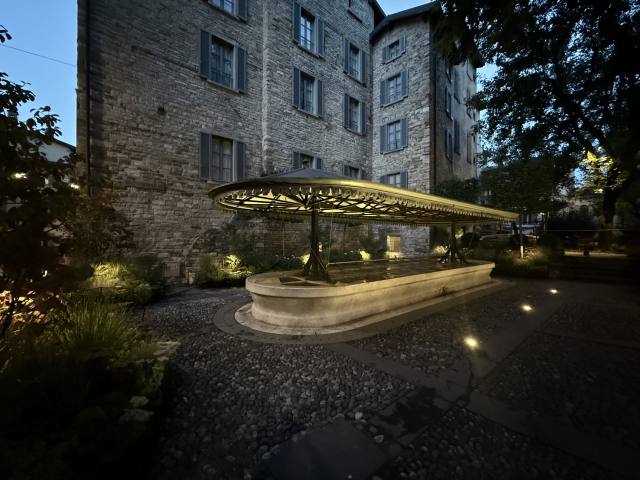
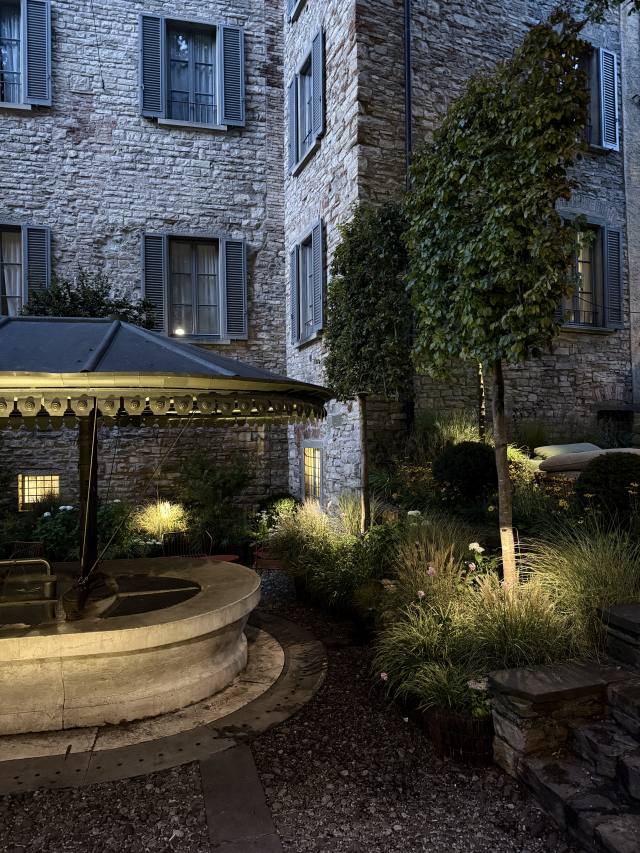
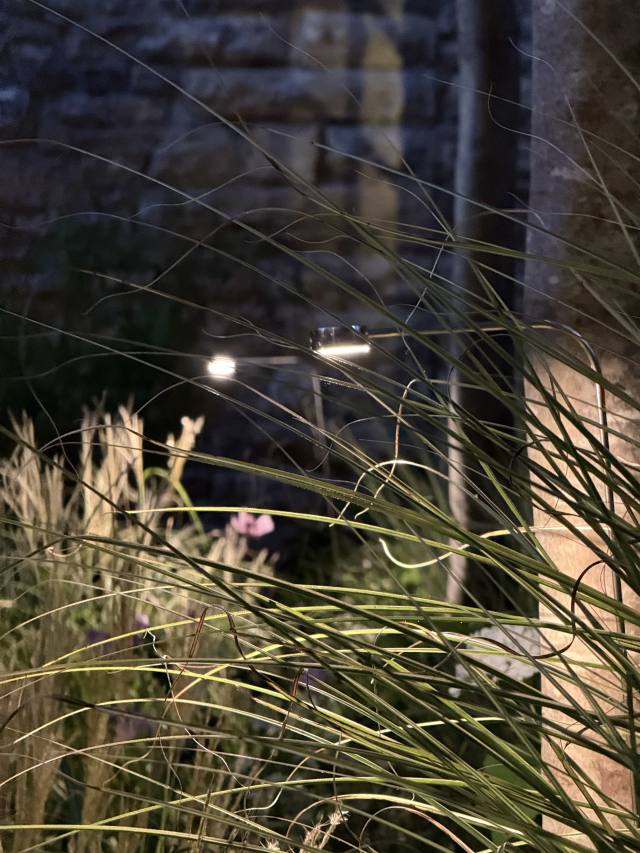
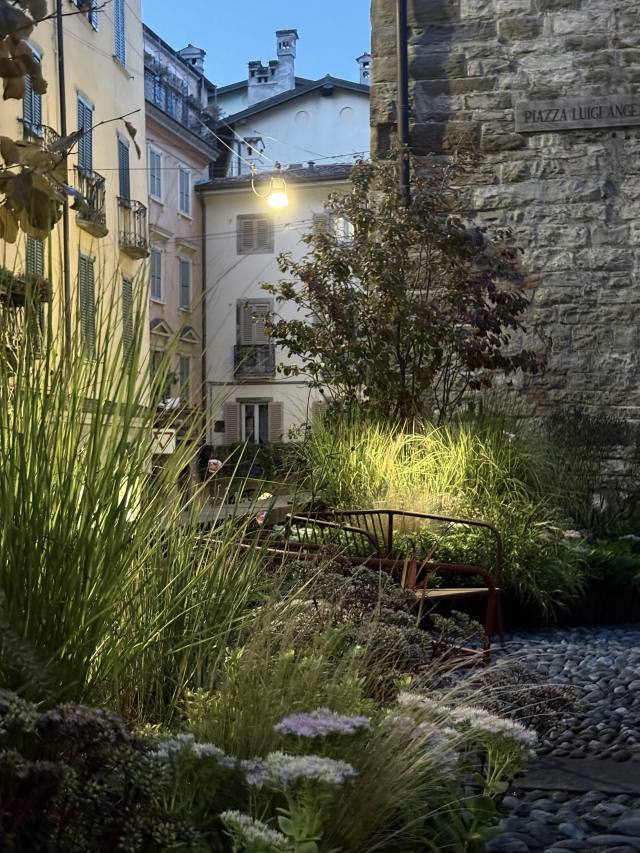
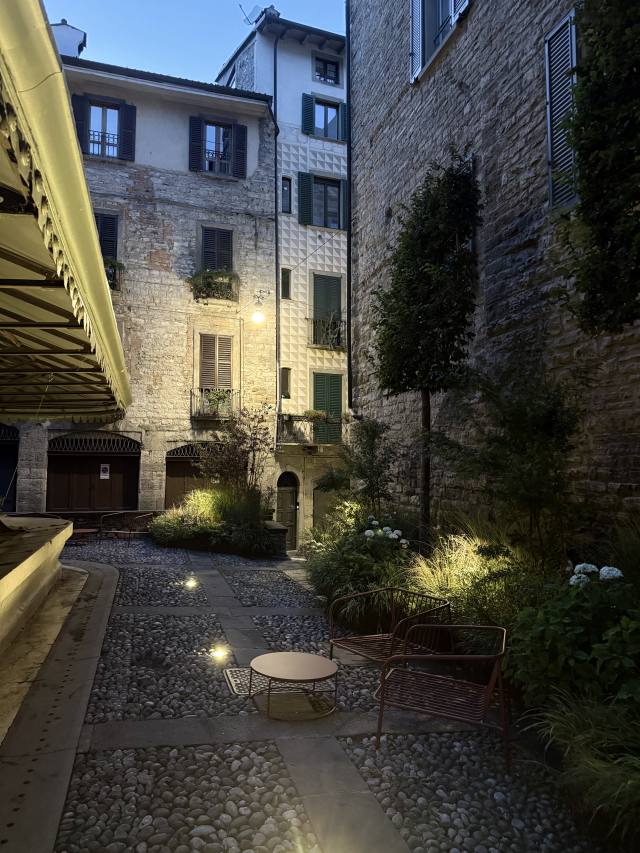
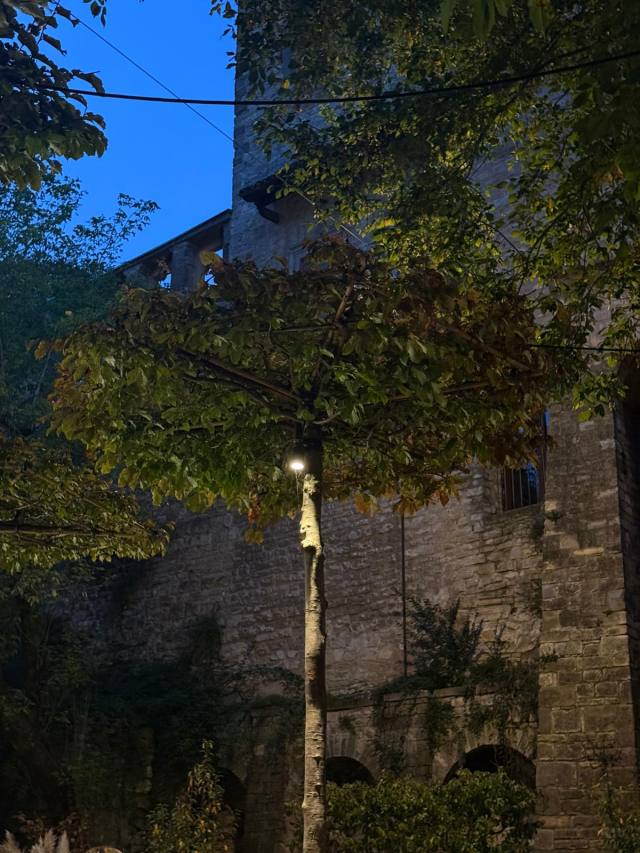
An ecosystem is, by definition, the set of living organisms (biotic elements) and non-living matter (abiotic elements), which interact with each other, constituting a self-sufficient system in dynamic equilibrium. Even the city is considered an ecosystem: an urban ecosystem. The urban agglomeration represents the substrate on which life develops. Analyzing the urban ecosystem of Città Alta, a highly stratified structure clearly emerges, the result of a long history of settlement. The Roman urban imprint, still visible, was superimposed by the sixteenth-century levels with the construction of the Venetian Walls, then the nineteenth-century buildings, up until the contemporary era. In particular, in the heart of Città Alta, where the Antico Lavatoio stands, a dense, complex system rich in elements can be observed, dominated however by non-living material components. The challenge of the Landscape Festival 2025 – I Maestri del Paesaggio is precisely to reflect on New Urban Ecosystems, more interconnected and sustainable, capable of facing the challenges of today's world. With our project for the Antico Lavatoio in Via Mario Lupo, we wanted to add a further layer to the urban ecosystem of Città Alta: biodiversity. This new living layer represents the intent to bring nature back to the center of the urban system, promoting a new balance between History, urbanization, ecology, and society. Pruned trees, evoking historic and formal gardens, alternate with softer species such as shrubs, grasses, and herbaceous plants with bright colors and a light appearance, fostering a new biodiversity. A new life accompanies and enhances the architectural and material elements of the ancient village.
Thus, a new urban ecosystem welcomes visitors and invites them to socialize in the heart of the Upper Town.